
The historical evolution of gambling A journey through time and chance
Ancient Origins of Gambling
The roots of gambling trace back thousands of years, with evidence found in ancient civilizations such as Mesopotamia, China, and Egypt. Archaeological findings reveal that games of chance were integral to various cultures, often associated with religious rituals or as a method for divination. In these societies, gambling often held a dual purpose: entertainment and a means to connect with the divine. Today, players might explore online real money slots as a modern evolution of these ancient practices.
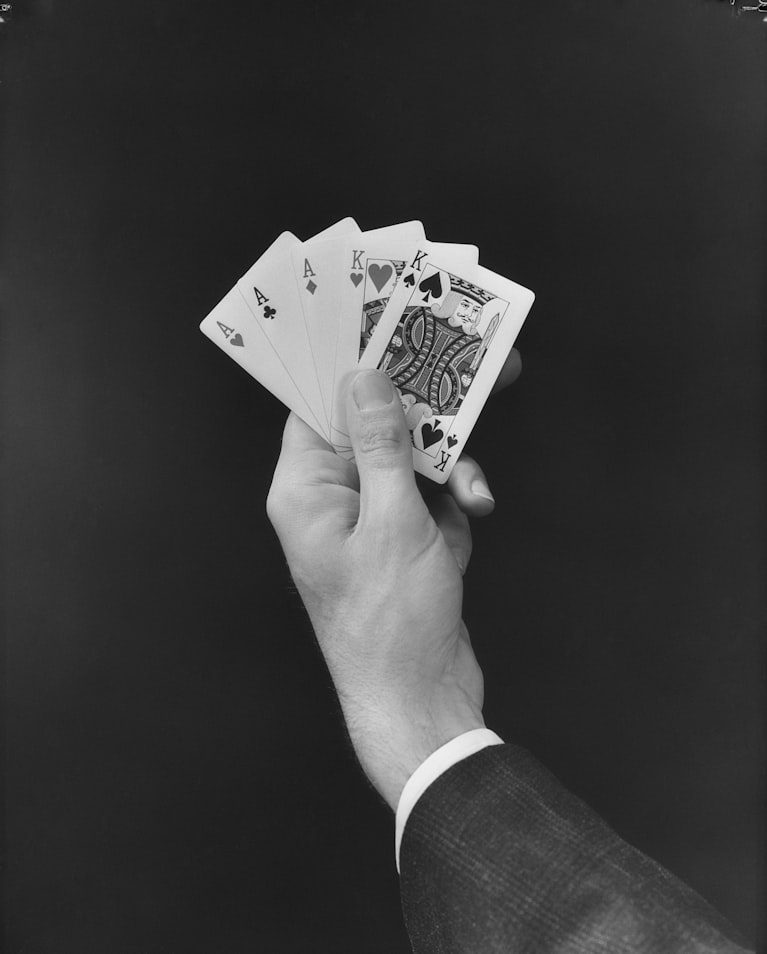
As communities evolved, so did the methods of gambling. From betting on the outcomes of dice games to engaging in early versions of card games, the act of wagering on uncertain outcomes became a universal pastime. The psychological allure of gambling began to take shape as individuals found joy not just in the potential winnings, but also in the thrill of chance.
The Rise of Organized Gambling
With the passage of time, gambling transitioned from informal gatherings to organized events. By the Middle Ages, games of chance had become popular in Europe, leading to the establishment of early gambling houses. These establishments provided a controlled environment for betting, fostering a sense of community and competition among players.
The introduction of rules and regulations in these gambling houses marked a significant shift in the landscape of gambling. People began to view it as a legitimate form of entertainment rather than a mere vice. The psychological implications of this change were profound, as individuals started to associate their identities with their betting behaviors, leading to both pride and, in some cases, addiction.
The Impact of Technology on Gambling
The Industrial Revolution brought with it technological advancements that transformed various aspects of life, including gambling. The invention of the mechanical slot machine in the late 19th century revolutionized how people engaged with games of chance. This new device made gambling accessible to the masses, enhancing the thrill of chance and fortune.
The rise of technology did not stop there; the digital age introduced online gambling, further reshaping the gambling landscape. The convenience of betting from home and the anonymity provided by the internet appealed to a broader audience, often attracting those who may have never participated in traditional forms of gambling. This shift has significant psychological implications, as the ease of access can lead to increased gambling behaviors and potential addiction.
The Psychology of Gambling
The psychological aspects of gambling are complex and multifaceted. Many players are drawn to the excitement and anticipation that accompany each bet, often leading to a euphoric state known as the “gambling high.” This state can create a powerful feedback loop, reinforcing gambling behaviors and making it challenging for individuals to recognize when their hobby has turned into a problem.
Additionally, the concept of “near misses,” where players come close to winning without actually succeeding, can further entrench gambling habits. This phenomenon plays on the human desire for success and can lead to repeated attempts to win back losses. Understanding these psychological factors is vital for addressing gambling-related issues and promoting responsible gaming.

Your Resource for Gambling Insights
At our website, we aim to provide a comprehensive overview of gambling’s historical evolution and its psychological dimensions. Our goal is to enhance your understanding of the complexities surrounding gambling, ensuring that you are well-informed about both its allure and risks.
Through our resources, we strive to create a safe and user-friendly platform for those interested in learning about gambling. Whether you seek historical insights or psychological perspectives, our website is designed to cater to your needs, making it an invaluable tool on your journey through time and chance.