
Ammo You Can Buy Right Now: What’s Actually In Stock Today
In stock ammunition is the single most reliable guarantee that your firearm remains a tool, not a paperweight, the moment you need it. Each round is a self-contained ignition system—primer, propellant, and projectile—engineered to fire the instant your trigger drops, with no assembly or preparation required. By securing in stock ammunition now, you eliminate the gamble of empty shelves and turn your shooting sessions into decisive, uninterrupted action every single time. Readiness is purchased in advance, and nothing delivers that readiness faster than ammo that is physically in your hands today.
Why Ready-to-Ship Rounds Are a Smarter Choice Right Now
Choosing in stock ammunition with immediate ready-to-ship status eliminates the costly uncertainty of backorder timelines, letting you secure functional rounds for training or defense today, not “eventually.” When you buy ready-to-ship rounds, you avoid the risk of your payment being tied up for months while production queues drain your patience and range time. Ready-to-ship rounds also mean you verify the exact lot and headstamp before committing, so you can confirm compatibility with your firearm’s feed ramp and chamber spec—something pre-orders can’t offer. Instead of waiting for a notification that never comes, you get a tracking number within 24 hours and a confirmed delivery window. This practical 5.7x28mm Ammo for Sale immediacy protects your schedule and your budget. Ultimately, in stock ammunition that ships now is the only way to guarantee your ammo canisters stay useful, not just hypothetical, when you need them most.
How Immediate Availability Eliminates the Guesswork in Your Purchase
When you see **in stock ammunition**, you’re not playing a waiting game or hoping a backorder magically ships next month. Immediate availability means the exact round you’re looking at is physically on a shelf, so the specs specialty sports & supply on the screen are the specs in your hand—no “maybe” about grain weight, casing material, or velocity. You skip the dreaded email that says “supplier delayed” and avoid re-researching a substitute load you didn’t want. Buying ready-to-ship rounds removes the guesswork because inventory is verified in real time, so your purchase is a done deal, not a promise. That certainty lets you focus on your shooting plan instead of cross-checking SKUs against phantom stock.
Q: How does immediate availability eliminate guesswork?
A: You see it, you buy it, you get it—no wondering if your order will be substituted, cancelled, or stuck in limbo. The product .17 HMR Ammo for Sale is confirmed, so your decision is final and factual.
The Real Difference Between “On Backorder” and “In Stock” for Your Range Day
When your range day is locked in, “on backorder” means your ammunition exists only as a promise—a placeholder in a fulfillment queue with no guaranteed arrival date. “In stock” means Ammo Cans & Storage for Sale the rounds are physically boxed, labeled, and ready to ship from a warehouse shelf today, giving you a concrete timeline for delivery. Ready-to-ship ammunition eliminates the gamble of planning a session around a restock that could slip by weeks, forcing you to cancel lanes or burn expensive rental time. Even a two-day shipping delay on a backorder can derail a Saturday booking you cannot reschedule. With in-stock rounds, you verify inventory before checkout, then track a package that already exists, not one awaiting production. That certainty lets you book your range slot with confidence, knowing your ammo arrives before your first magazine.
On backorder is a date you hope for; in stock is a box you can hold—only the latter guarantees your range day happens as planned.
Matching the Right Caliber to Your Firearm Without the Wait
Matching the right caliber to your firearm without the wait means verifying your barrel’s stamped designation against the exact cartridge listed on the in-stock ammunition box before purchase. A .223 Remington chamber will not safely fire 5.56 NATO loads, even if both are on the same shelf, so check the firearm’s manual or slide/barrel markings first. For in-stock rounds, confirm the bullet weight and overall length match your magazine’s feed lips, as a mismatched cartridge can cause jams or pressure spikes. Always cross-reference 7mm PRC Ammo for Sale the headstamp with your firearm’s chamber engraving—this is the only reliable shortcut when waiting for backorders is not an option. Q: Can I use .38 Special in a .357 Magnum revolver with in-stock ammo? A: Yes, but only if the cylinder is rated for both, and you must clean the chambers thoroughly afterward to avoid carbon rings that shorten accuracy.
Key Specs to Verify Before You Add a Box to Your Cart
Before adding in-stock ammunition to your cart, verify the cartridge designation matches your firearm’s stamped barrel chamber. Check the exact caliber (e.g., .38 Special vs. .357 Magnum) and bullet weight, as it affects point of impact and recoil. Confirm the bullet type (FMJ, JHP, or frangible) suits your intended use, and inspect the cartridge overall length (COAL) for reliable magazine feeding. Finally, review the muzzle velocity and pressure rating—never exceed the manufacturer’s listed maximum. Each spec must align or you risk malfunctions or damage.
- Confirm the caliber and case type (rimmed, rimless, or rebated).
- Match bullet weight to your twist rate and barrel length.
- Validate the primer type (centerfire vs. rimfire) for your firing pin.
Understanding Bullet Grain Weight and What It Means for Recoil and Accuracy
When selecting from in-stock ammunition, bullet grain weight dictates recoil and accuracy more than any other variable. Heavier grains, such as 147gr in 9mm, produce higher felt recoil due to increased momentum, while lighter loads like 115gr cycle faster with snappier impulse. For accuracy, match grain to your barrel’s twist rate—a 1:7 twist prefers 62–77gr, whereas 1:12 stabilizes 55gr optimally. Test three weights from your stock:
- Fire 5-round groups at 25 yards, recording group size.
- Note recoil direction and muzzle rise per load.
- Select the grain with tightest grouping that still allows rapid follow-up shots.
Subsonic heavy grains often sacrifice trajectory flatness for suppressed precision, so prioritize your intended engagement distance. Always verify your firearm’s manual for recommended grain range before bulk purchasing.
How to Spot High-Quality Loads in Available Inventory
When scanning in-stock ammunition, first examine the cartridge case—high-quality loads feature pristine, uniform brass with clean primer pockets and no dents. Weigh two boxes; consistent heft signals precise powder charges, while wildly different weights betray sloppy manufacturing. Inspect the bullet seating depth: a proper load has a uniform, crimped canalure (if applicable) and no visible wobble when rolled on a flat surface. For handgun rounds, shake-test—good loads emit no loose powder rattle. Check the primer sealant; military-grade or premium hunting ammo uses a red or green lacquer ring, which prevents moisture degradation and guarantees reliable ignition. Finally, favor loads from manufacturers who publish ballistic data; their in-stock boxes list lot numbers and velocity tolerances, a hallmark of QC-tested production you can trust on the spot.
Brass vs. Steel Casings: Which One Is Worth Buying Now?
When judging in-stock ammunition, the brass-versus-steel casing decision hinges on your firearm and reloading habits. Brass casings offer superior malleability, forming a tighter chamber seal and expanding reliably for consistent extraction, making them the safer choice for precision rifles or finicky semi-autos. Steel casings, coated with polymer or lacquer, resist corrosion but run dirtier and wear extractors faster, though their lower cost per round makes them ideal for high-volume range days or backup magazines. Inspect the case mouth and primer pocket: steel’s rigid neck often cracks after one firing, while brass can be resized. For immediate defensive loads, prioritize **brass’s dependable cycling over price savings**. Choose based on your willingness to clean your weapon thoroughly afterward.
- Brass maximizes reloadability; steel is single-use only.
- Steel’s lacquer can gum up chambers under rapid 7.62×39 Ammo for Sale fire; brass dissipates heat better.
- If your gun has a tight headspace, brass prevents stuck cases; steel may jam.
- For bulk plinking ammo in stock, steel stretches budget; for carry ammo, brass wins on reliability.
Reading the Box: Primer Types and Powder Burn Rates Explained Simply
When scanning in stock ammunition, the box tells you more than caliber—it reveals the burn curve. Standard primers (like CCI #34 or Remington 7 1/2) suit moderate loads, while magnum primers (e.g., Federal 215) push slower powders like H1000 or Retumbo to consistent ignition. Powder burn rate is listed as a relative number or name: fast-burning types (Trail Boss, Titegroup) spike pressure quickly for plinking or subsonic loads, whereas slow-burning types (IMR 7828, H4831) sustain pressure for long barrels or heavy 7.62×51 Ammo for Sale bullets. For quality, follow this sequence:
- Check primer type—magnum for cold weather or slow powders, standard for balanced loads.
- Identify powder name or burn-rate chart position—faster equals lower case fill, slower equals compressed or dense fills.
- Match burn rate to bullet weight and barrel length for optimal velocity without pressure signs.
This read prevents squibs or over-pressure, ensuring reliable cycling from the first round.
Practical Tips for Buying in Bulk When Supply Is Present

When in-stock ammunition appears, prioritize buying by the case or flat, as per-unit costs drop significantly at higher quantities. Before committing, verify the lot number on multiple boxes to ensure consistency for accurate sight-in and reliable ballistics. Focus your bulk purchase on a single, proven load that your firearm cycles flawlessly, rather than mixing brands to save marginal dollars. However, resist the urge to clear the shelf entirely, as leaving some stock for others maintains a healthier supply chain for future restocks. Store your bulk ammo in airtight, silica-gel-lined containers, rotating the oldest lot to the front for range use. Finally, calculate your realistic annual round count and buy only that amount, not the maximum available, to avoid tying up cash in calibers you rarely shoot. Match the bulk buy to your primary firearm’s zero to guarantee every round serves an immediate purpose.
How Many Rounds Should You Actually Buy to Save Money?
To save money on in-stock ammunition, resist the “buy everything” urge and calculate your true break-even point. First, identify your average monthly round count from dry practice and live fire. Then, divide the per-case shipping cost by the price difference between a 50-round box and a 1,000-round case; if the savings per round is $0.03, you need at least 500 rounds to justify the bulk price. A practical rule is to buy only the quantity that covers your next 6–8 weeks of shooting, not a year’s supply, unless the per-round discount exceeds 15%. The sequence:
- Track your last three range sessions to get a reliable weekly average.
- Multiply that average by 8 weeks to set your maximum target.
- Compare the per-round cost at that quantity versus the next tier up; if the next tier saves less than $10 total, stop at the smaller amount.
Buying more than that locks up cash and warehouse space without reducing your long-term cost, because in-stock deals rotate seasonally anyway.
Storage Methods That Keep Your Ready-to-Use Supply Reliable for Years
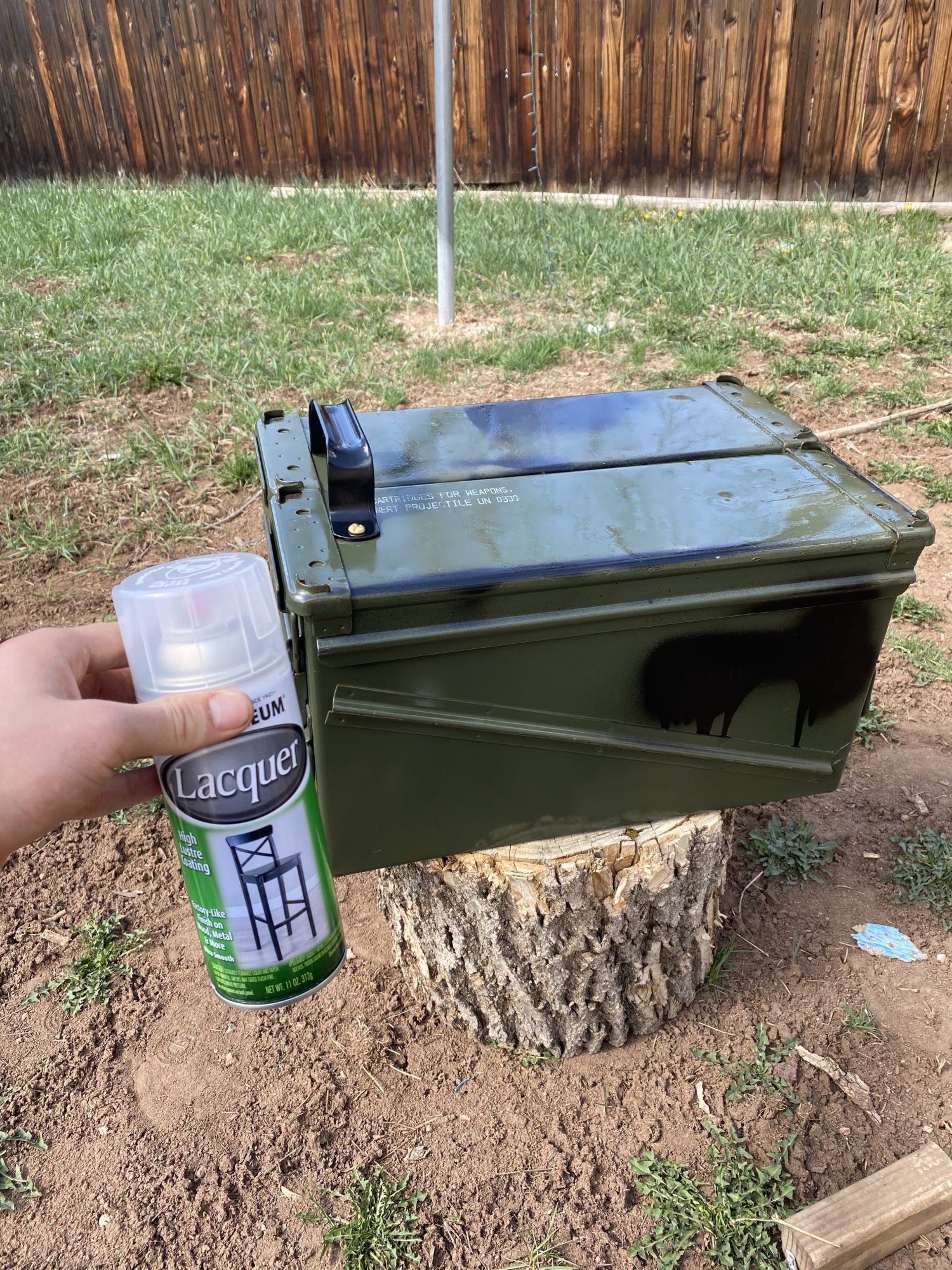
To keep your in stock ammunition dependable for years, store it in airtight, military-grade ammo cans with a fresh silica gel pack inside each one to crush ambient humidity before it contacts primers. Rotate your largest calibers every six months, shooting the older lot first so nothing sits forgotten long enough to develop corrosion. Keep cans off concrete floors on wooden pallets or metal shelving, where temperature swings are less brutal, and avoid attics—summer heat accelerates powder degradation. For long-term bins, add a desiccant indicator card that shifts color when moisture creeps in, letting you swap desiccants before damage starts. This simple, disciplined routine keeps your stocked supply as reliable as the day you bought it.
Using Available Rounds for Self-Defense vs. Target Practice

When you’ve finally got in stock ammunition, the split between self-defense rounds and target practice is a real judgment call. Blasting through your defensive hollow points at the range feels great, but you’re burning the exact ammo you’d bet your life on—so keep a dedicated stash for carry or home defense. For practice, grab cheaper ball or FMJ loads from the same stock, since they’ll cycle reliably and save your premium rounds for when they matter. That said, running a few defensive rounds through your gun each range trip is smart, just to confirm point-of-aim and feeding, but don’t drain the whole box. Track what’s in stock by separating boxes—mark the defensive ones and leave them untouched until you’re rotating for freshness. Treat your self-defense rounds like a fire extinguisher, not a toy, and practice with what you can afford to replace without dipping into your emergency supply.
Choosing Between Hollow Points and Full Metal Jacket in the Same Cartridge
When the same cartridge sits on the shelf in both profiles, your choice hinges entirely on the target’s response. Hollow points expand upon impact, dumping energy into soft tissue—critical for stopping a threat quickly while reducing over-penetration risks in tight spaces. Full metal jacket (FMJ) rounds punch clean holes, feeding flawlessly in semi-autos and saving you significant cash for high-volume drills. The catch: FMJ’s rigidity can pass through a threat, risking bystanders, whereas hollow points may under-penetrate through heavy clothing. For practice, burn FMJ to master recoil and shot placement; for carry, load hollow points in the same magazine. Test both loads for point-of-impact shifts—your zero often varies slightly between them.
In the same cartridge, choose hollow points for defensive stopping power and FMJ for affordable, reliable practice—but verify both feed and hit to your point of aim.
What to Test at the Range Before You Trust Any Load for Defense
Before trusting any in-stock defensive load, verify reliability under stress by firing at least 200 rounds without a malfunction. Test feeding from full, partially loaded, and empty magazines, including slide-lock reloads. Confirm point-of-impact matches your point-of-aim at 7 and 15 yards, as defensive bullet weights often shift zero. Check for pressure signs—flattened primers or sticky extraction—since lot variations occur. Accuracy from a bench rest does .17 WSM Ammo for Sale not predict performance from a holster draw under time pressure.

Q: What to Test at the Range Before You Trust Any Load for Defense?
A: Cycle your entire magazine inventory, fire one-handed (strong and support), and verify cycling with a suppressor or compensator if used. Also test penetration through a heavy jacket or denim barrier, since expansion can fail at low velocities.
Common Mistakes to Avoid When You See a “In Stock” Notification
When an “in stock” notification for ammunition finally lands, the biggest mistake is hesitating to verify the exact cartridge, bullet weight, and grain count before checkout—ordering 5.56 when your rifle demands .223 can waste precious time and money. Another common error is ignoring quantity limits, so you grab one box instead of the maximum allowed, forcing you back into the waiting game. Do not skip checking the shipping policy either, since some sellers apply hazmat fees that double your cost after you’ve celebrated prematurely. Always confirm the lot number matches 7.62x54R Ammo for Sale your stored ammo to maintain consistent ballistics. Q: What if the notification arrives while I’m busy? A: Act within minutes or the stock vanishes—set a dedicated alert tone and complete the purchase immediately, even if it means pausing other tasks. Finally, never assume your saved payment info autofills correctly; a wrong ZIP code during checkout can void the entire order. Prioritize speed, accuracy, and completeness—that’s how you win the restock race.
Why You Shouldn’t Overlook New Production Lots or Fresh Manufacturing Dates
Overlooking fresh manufacturing dates when an “in stock” alert fires can undermine your entire purchase. A newly produced lot often means the ammunition’s propellant and primers are at peak chemical stability, which translates to consistent velocities and reliable ignition. Conversely, older stock—even if untouched—may 5.56 Ammo for Sale have experienced temperature cycling in storage, causing powder degradation or sealant hardening. For defensive or match loads, this variance creates point-of-impact shifts or occasional failures to fire. New production lots deserve priority because they eliminate age-related variables from your accuracy equation. Before checkout, check the headstamp or box code for a lot number and date. If the retailer lists no date, email them directly; a quick confirmation beats discovering inconsistent rounds at the range. Treat a recent date as a quality signal, not a neutral detail.
The Right Way to Compare Prices Per Round Without Getting Fooled by Shipping Fees
When an “in stock” notification finally pays off, the real trap is comparing advertised prices before factoring delivery. Always calculate the true cost per round after shipping, not the listed price. Divide the total checkout amount—including tax and handling—by the number of boxes multiplied by rounds per box. A seemingly cheaper 500-round case often loses to a pricier 200-round box once flat-rate shipping is spread over fewer units. Also, test multiple quantities from the same vendor; sometimes buying two smaller boxes triggers free-shipping thresholds, dropping your per-round figure below the bulk option. Ignore per-box totals entirely. Instead, build a simple spreadsheet with final delivered cost per round, then compare across retailers. Only then does the in-stock alert become a genuine bargain rather than a shipping-fee mirage. Delivered per-round cost remains the only number that matters.